How luck plays a role in your casino experience
The Concept of Luck in Gambling
Luck is often perceived as an unpredictable force that influences outcomes across various aspects of life, and its significance in gambling is no different. Within the vibrant atmosphere of casinos, players frequently find themselves relying on luck to achieve substantial wins or simply to enjoy their time at the gaming tables, especially when they choose to try their luck at 1win where excitement and chance collide in thrilling ways. This unpredictable element not only creates thrilling highs when fortunes favor players but also leads to crushing lows when luck turns. Understanding this intricate concept of luck can profoundly shape a player’s perspective on games and the inherent randomness that accompanies them.
Statistically, each outcome in games of chance, such as slots or roulette, is independent of previous results. This means that regardless of how many times a player may lose, their next spin or roll carries the same probability of success. This characteristic of luck creates an emotional rollercoaster experience, as gamblers ride the waves of elation during unexpected victories and disappointment during defeats. It is this thrilling unpredictability that draws many players back to the casino, with the hope that their fortunes will shift in their favor.
Moreover, the psychology surrounding luck can significantly influence a player’s betting behavior. Many gamblers develop superstitions, believing that certain rituals or habits can sway luck in their favor. Whether it involves wearing a lucky charm, performing a specific routine, or even choosing certain numbers, these behaviors reflect the deep connection between one’s mindset and the role of luck in gambling. When players believe that luck is on their side, they may take more risks, leading to an intensified gambling experience filled with excitement and anticipation.
The Role of Chance in Casino Games
Every game in a casino is fundamentally constructed on the principles of chance and randomness. This unpredictability serves as the backbone of various games such as poker, blackjack, and an array of slot machines. For instance, in poker, the shuffle of cards can dramatically alter the outcome of the game, irrespective of a player’s strategic expertise. Consequently, even the most seasoned players must recognize that luck can significantly influence the final results, especially during crucial draws or chance events. Understanding this interplay between skill and luck is essential for any serious gambler.
In addition, chance impacts the payout structures in casino games. Slot machines are typically designed with random number generators, ensuring that every spin is independent and fair but also inherently unpredictable. It is not uncommon for players to hit the jackpot unexpectedly, leaving them in awe of how luck can change their moment. This element of randomness extends to table games as well, where a simple roll of the dice can determine the fate of bets in games like craps. The thrill of chance adds excitement, anticipation, and tension to the overall gaming experience, making every moment in the casino feel unique.

Furthermore, the variance among different games highlights the varying roles that luck can play in one’s gambling experience. High-variance games may offer larger payouts but come with increased risks, while low-variance games tend to provide frequent, smaller wins. Players must assess their risk tolerance and evaluate how much they wish to rely on luck versus strategy. This understanding of variance not only helps players tailor their gaming experiences according to their preference for luck and risk but also encourages more informed and enjoyable gambling decisions.
The Emotional Impact of Luck
Luck plays a critical role not only in the financial outcomes at casinos but also in shaping the emotional experiences of players. Winning can induce an exhilarating high, often described as a rush of adrenaline that elevates the enjoyment of gambling. This emotional state can lead players to chase that „winning feeling,” even when faced with inevitable losses. The psychological thrill that accompanies anticipation before a spin or bet can become addictive, prompting players to seek out experiences where luck might favor them once again, even if it means risking their bankroll.
Conversely, the emotional impact of losing can lead to feelings of frustration, disappointment, or helplessness. Players who experience a streak of bad luck may find themselves questioning their abilities or feeling that the odds are perpetually stacked against them. This emotional rollercoaster creates a profound connection between players and the games they engage with, significantly influencing their future gambling behavior. By acknowledging this emotional aspect of luck, players can strive to maintain a healthy perspective on their casino experiences and navigate the ups and downs of gambling more effectively.
Moreover, the role of luck can foster social interactions among players. Many gamblers love to share stories of their big wins or narrow misses, bonding over the unpredictable nature of chance and luck. These shared experiences cultivate communities within casinos, where players often cheer for each other, celebrating victories and offering support during defeats. This social dimension adds another layer to the gambling experience, emphasizing that it transcends mere monetary gain; it’s also about the connections formed around the thrill of chance and shared experiences in the gaming environment.
Strategies to Enhance Your Experience with Luck
While luck undeniably plays a substantial role in gambling, players can adopt various strategies to enhance their overall experience. One effective approach is to establish clear limits on spending and create a budget before entering a casino. By understanding the randomness of luck and setting financial boundaries, players can enjoy their time without the burden of financial stress. This discipline not only provides peace of mind but also allows players to focus on the entertainment value of gambling, rather than fixating solely on monetary outcomes.
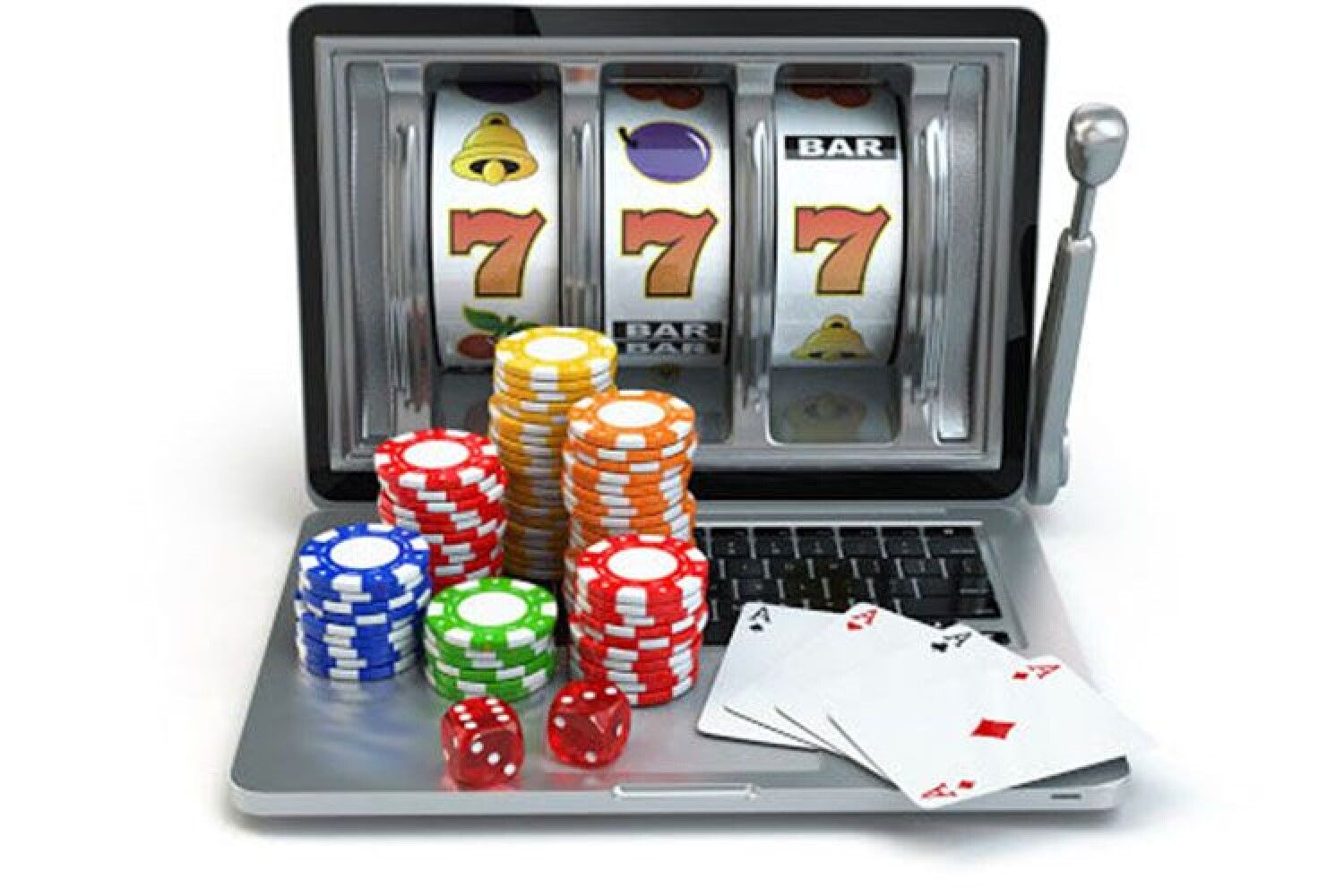
Another strategic consideration is to choose games that align with individual preferences and risk tolerance. Players who embrace luck and thrive on high-stakes excitement may find themselves drawn to high-variance games that offer larger rewards. In contrast, those who prefer a more consistent experience might gravitate towards low-variance games, which deliver frequent but smaller wins. By selecting games that cater to personal comfort levels, players can maximize their enjoyment while embracing the unpredictable nature of luck.
Additionally, educating oneself about the mechanics of games can empower players to make smarter decisions based on their understanding of luck. Learning about odds, house edges, and payout structures can provide valuable insights that enhance the overall gaming experience. Yet, it is essential to remember that luck will always play a significant role in gambling, and players should remain open to both wins and losses. This balanced approach fosters a richer gambling experience, allowing players to appreciate the thrill of chance while also exercising informed decision-making.
Exploring More about Luck and Gambling
For those intrigued by the complex interplay between luck and casino experiences, numerous resources are available for deeper exploration. Understanding the psychological and mathematical dimensions of luck can greatly enhance one’s appreciation for gambling, viewed both as a game of chance and a rich social activity. Engaging with books, articles, and online forum discussions can yield insights into how luck influences not just outcomes but also behaviors and emotions within the gambling context.
Moreover, many casinos offer workshops or seminars that focus on responsible gambling, tips for managing luck, and strategies for maximizing enjoyment. These educational opportunities help players comprehend the role of luck in their gaming experiences and the broader casino environment. By participating in such initiatives, players can equip themselves with tools to navigate the unpredictability of luck more effectively and enhance their overall enjoyment of gambling.
Ultimately, embracing the concept of luck can lead to a more fulfilling casino experience. By blending strategic thinking with a healthy understanding of chance, players can relish the thrill of gambling while maintaining a balanced approach to wins and losses. Whether it’s through social interactions or a deeper comprehension of luck’s influence, the journey through the casino can be as rewarding as the outcomes themselves, highlighting the multifaceted nature of gambling beyond just monetary gains.